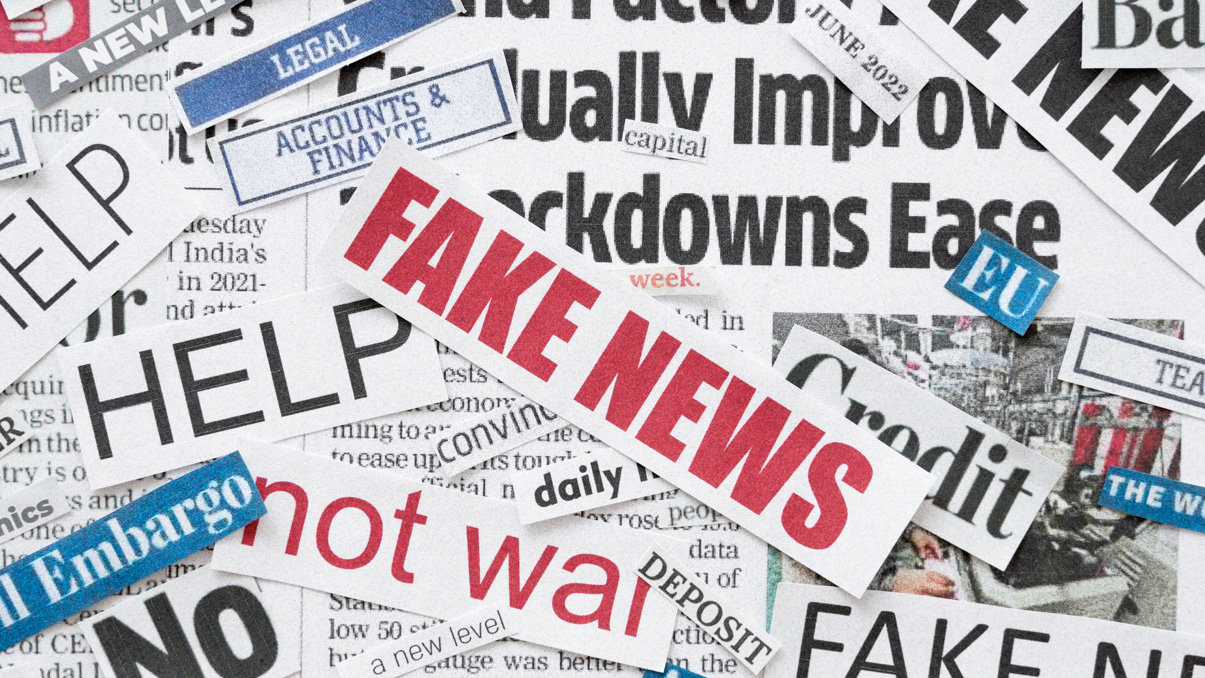

It is easy to assume that we can spot false information when we see it, but the truth is more complicated. Misinformation is created to blend in with real content, making it harder to tell what is true and what is not. Sometimes, the most misleading information is not completely false. It is just changed enough to push a certain idea or feeling. With the rise of social media, misinformation spreads faster than ever, reaching people who may not even realize they are being influenced.
The way people get their news has changed, and that shift has made it easier for false ideas to take hold. Instead of sitting down to read a newspaper or watch the evening news, most people scroll through their phones, catching headlines and quick updates throughout the day. Algorithms decide what we see based on what we have interacted with before, which means we are often fed content that reinforces what we already believe. This creates a space where misinformation does not just exist. It grows.
Understanding the effect of misinformation is not just about recognizing fake news or viral hoaxes. It is about looking at how information is shaped, who gains from it, and why people believe it in the first place. Thinking critically and checking facts are helpful, but they are not always enough when emotions and biases are involved. That is why learning how misinformation works is such an important step in staying informed and making sure we are not unknowingly spreading false information.